Dry Needling vs Acupuncture: What’s the Real Difference, Does It Matter for Pain Relief?

Dry needling and acupuncture look like the same thing:
Thin needles in the skin, targeted spots, and a curious patient asking, “I don’t get it, what’s the difference here?”
The times have seen acupuncture moving on from traditional Chinese folklore medicine to a reliable intervention in conventional healthcare. An expanding base of research evidence on its usefulness in managing various musculoskeletal problems continues to power its increasing adoption.
Dry needling is more like its distant cousin with modern ideas. Unlike acupuncture, it has a more modest history with deep roots in anatomy, physiology, and contemporary pain science. Like acupuncture, an expanding base of scientific evidence continues to show that we have a powerful tool in our hands.
Now let's get into the details. We'll look at what exactly each method is, what to consider before choosing either, and how we use each method to make a difference.
So What’s Acupuncture?

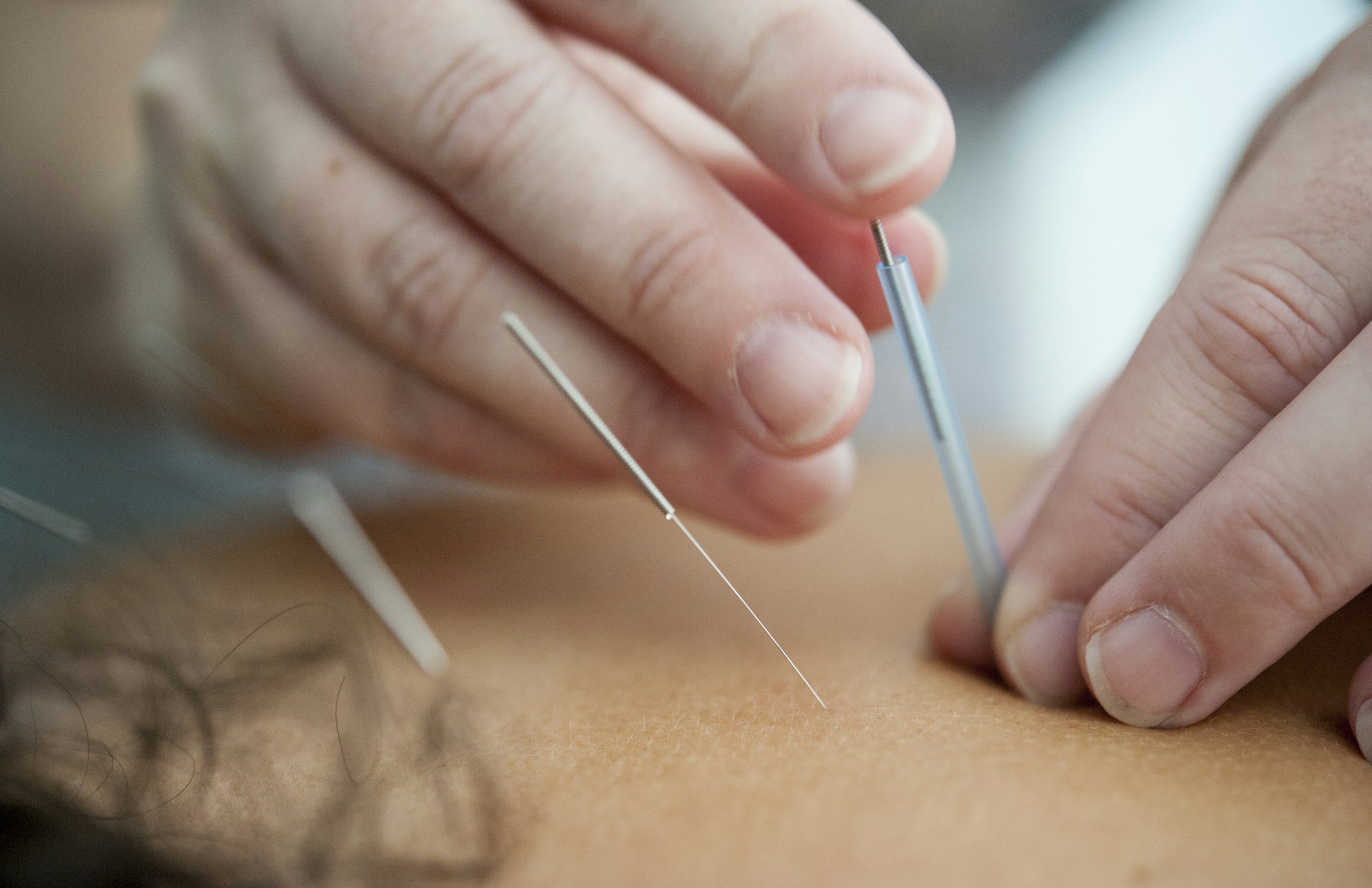
Acupuncture involves insertion of thin needles at specific points on the skin to treat various conditions, illnesses or diseases. Based on historical records, it’s one of the earliest forms of documented medicine, dating back to 3000-1000BC.
How it Works: So how does a bunch of needles in the skin help with healing Diseases?
Let's handle this question by looking at the two main forms of acupuncture based on context and underlying theoretical framework:
1. Traditional Chinese Acupuncture
Traditional acupuncture focuses on restoring the flow and balance of the vital life force/energy in the body, known as QI(pronounced as "chee").

In basic terms, this energy(Qi) flows through specific channels which are connected to various organs and systems in the body. Uninterrupted and balanced flow of Qi energy through these meridians translates to good health. On the other hand, blocked or inefficient flow of Qi disrupts the body's balance and harmony, which translates to various ailments.
Traditional acupuncture aims to restore Qi energy flow through stimulating specific points along the Meridiens based on the ailment in question. Targeted stimulation may be used to reduce stagnation, remove blockages, or cut excessive Qi to specific organs or areas, which in turn restores qi flow and balance.
Traditional acupuncture has its unique methods of assessment and diagnosis based on traditional frameworks. The scientific community largely considers this form of acupuncture as pseudosience. No rigorous studies prove the existence of Qi energy or presence of Meridians in the body.
2. Contemporary/Western Acupuncture
The lack of strong evidence on the existence of Qi energy and meridians does not disprove the fact that acupuncture works. This is clear in numerous studies, which dived into its usefulness in treating some ailments, especially musculoskeletal issues. Obviously, there’s something about it that makes it part of alternative medicine for thousands of years.
Western Acupuncture applies acupuncture based on western scientific reasoning. Basically, it seeks to understand and apply acupuncture based on anatomy, physiology, and conventional theories of pain science. To date, acupuncture is thought to promote healing and reduce symptoms like pain through several mechanisms:
Pain Gate Mechanism

Like other complementary treatment methods in physiotherapy, acupuncture is thought to reduce pain by initiating a series of processes which promote blockage of pain signals in the spinal cord. This blocks transmission of pain to the brain, which means less pain is felt in the affected areas.
Release of the Body's natural pain killers
Studies continue to demonstrate that acupuncture triggers a series of chemical processes that stimulate the body to produce "natural painkillers". These include chemicals like Serotonin and Endorphins, which help with inhibiting transmission of pain signals through the nervous system and regulate mood.
Improved blood flow
Some studies link acupuncture to increased blood flow in targeted areas due to a number of mechanisms. However, there's not much consensus here. We still need more high quality research before making any definitive statements.
So What's the General Scientific Evidence like? Is Acupuncture Really Worth it?

Current research continues to agree with findings from earlier investigations on the positive effects of acupuncture on various disorders of the musculoskeletal system. The latest piece of evidence published earlier this year(2025) in the journal of Frontiers in Medicine, analyzed past studies to look into effects of acupuncture on musculoskeletal pain:
The researchers pooled in results from 111 research reviews, and evaluated the method's effect in over 35 conditions. In the end, acupuncture was associated with positive effects on pain and other main indicators in the short term.
At Yorkville Sports Medicine, we've seen the wonders of acupuncture first hand through our acupuncture program. Check it out here for more.
Dry Needling
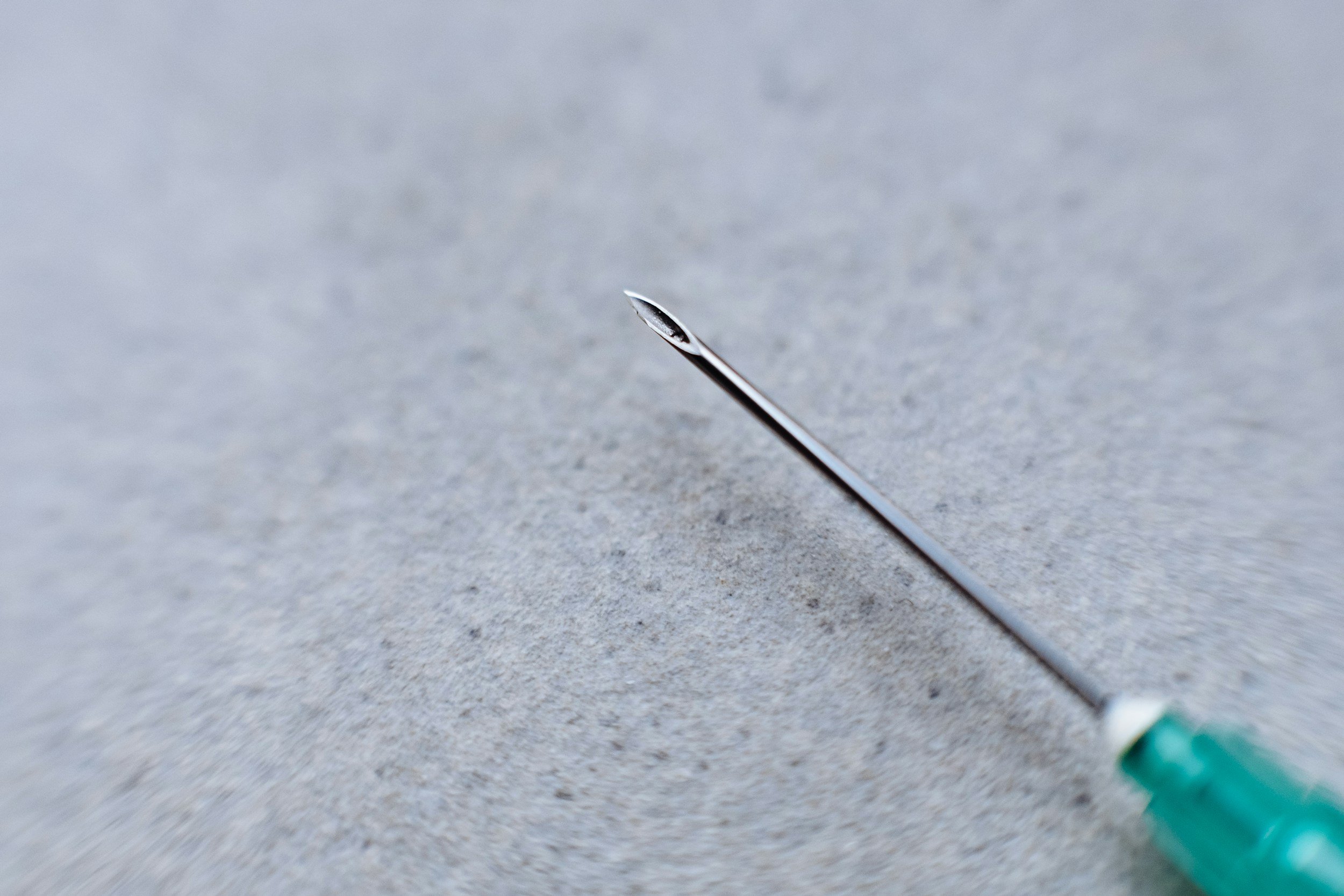
Dry needling involves insertion of needles through the skin into structures underneath it to control symptoms and restore function. According to the American Academy of Orthopedic Manual Therapists, dry needling is an evidence-based treatment method that needs comprehensive assessment of the neuromuscular system.
Its mechanisms of action are based on anatomy and principles of physiology. Dry needling was first documented by Janet Travell, as a highly effective method for treating painful and sensitive spots within a muscle, known as Trigger Points. Based on historical records, it seems dry needling was more of an incidental discovery when practitioners were using injections to treat muscle pain. Travell and colleagues noticed that inserting a dry needle without any medication in it caused significant pain relief.
To date, its use case has expanded as research shows it can be effectively used against problems affecting other structures than muscles. These include tendons, ligaments, and nervous tissue.
How it works
Like acupuncture, dry needling is associated with various mechanisms, some of which have compelling research evidence:
Local Twitch Response
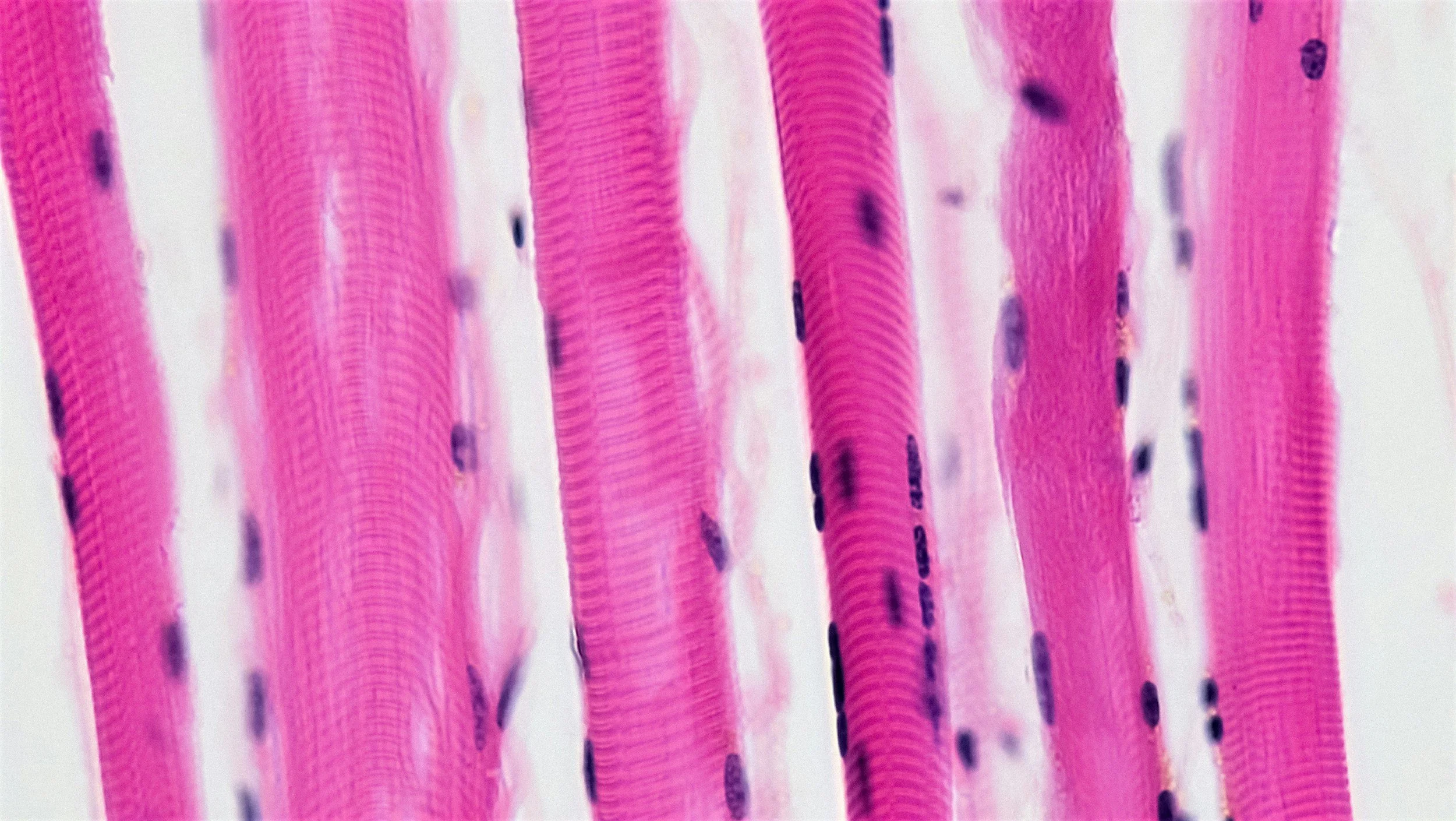
Dry needling stimulates the nervous system to activate something called a local twitch response. This is a quick, automatic muscle contraction in the target muscle triggered by the central nervous system(Spinal Cord and Brain). Following this response, the target muscle gets into a state of relaxation, which effectively reduces tightness and associated symptoms i.e pain.
Pain Gate Mechanism
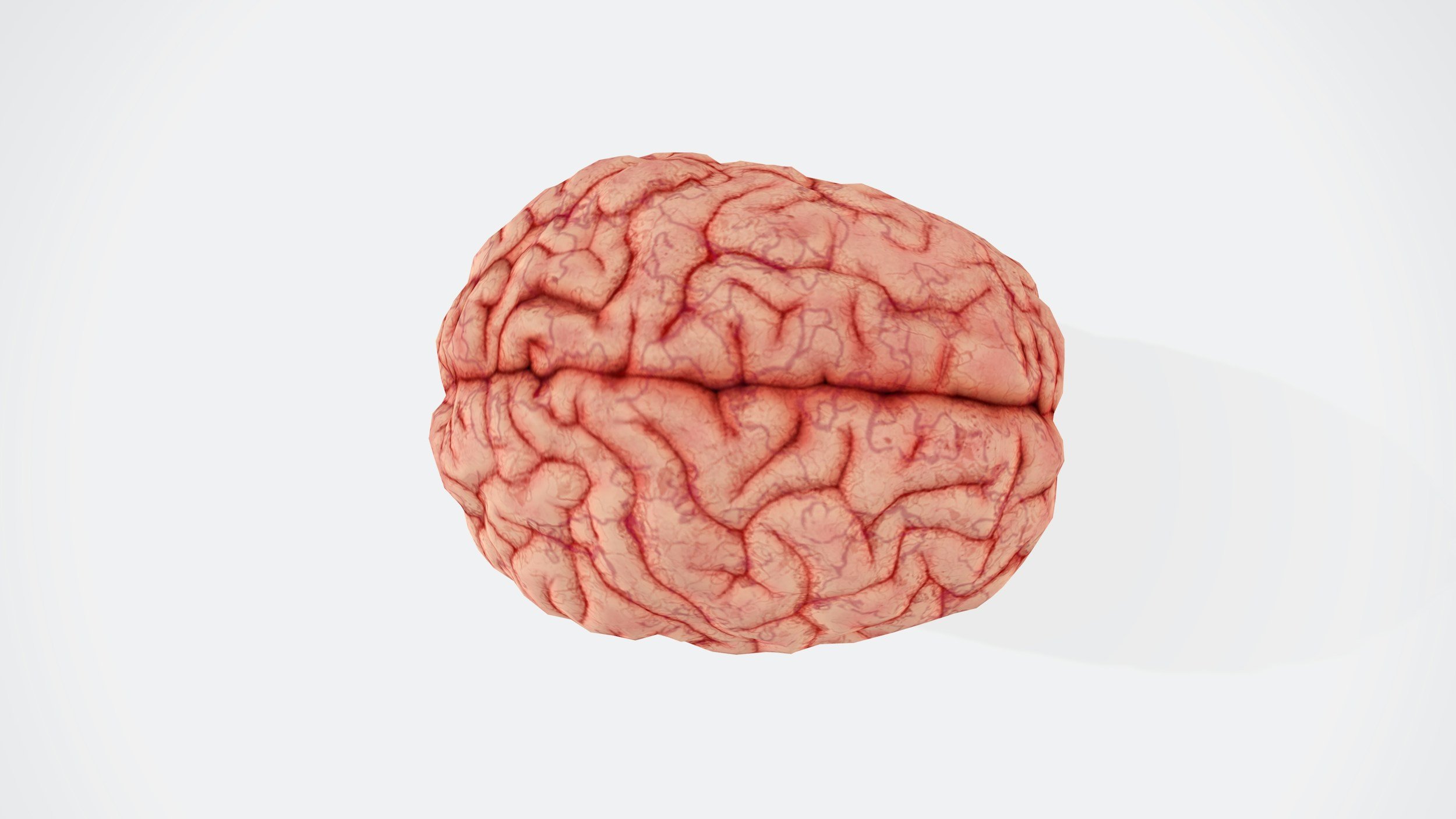
Like acupuncture, dry needling interferes with transmission of signals to the brain, which means less perceived pain. Studies link the treatment approach to stimulation of highly efficient nerve cells, known as A Beta Fibers. These cells transmit signals for other sensations i.e touch, pressure. When these stimuli reach the spinal cord, they stimulate other nerve cells which block transmission of pain signals from the target site.
Natural Pain Killers
Beyond interfering with nerve signals, dry needling promotes production of the body's natural painkillers, and inhibits production of substances which promote inflammation. Specific studies have so far linked dry needling to decreased levels of chemicals which indicate the presence of inflammation i.e TNF(Tumour Necrosis Factor) and C-reactive protein.
Evidence: So is Dry Needling Worth it?

Researchers have looked into the efficacy of dry needling on various musculoskeletal conditions in terms of pain relief and function. For example, a research review published in the Journal of Clinical Medicine analysed results of over 36 studies, which looked into the effect of Dry Needling on musculoskeletal pain. In the end, the treatment method was linked to significant pain reduction in the short term.
More studies need to be done for its efficacy in the long term. However, this strongly supports its usage in clinical practice as a measure to deal with pain related issues.
Acupuncture Vs Dry Needling: So What are the Key Differences?
Acupuncture is rooted in Chinese Medicine, which is focused on healing by restoring the flow and balance of life’s vital energy in the body. On the other hand, dry needling is rooted in western science and medicine, focused on influencing the body's physiology to promote healing and reduce symptoms.
Acupuncture's scope of treatment is broader, encompassing issues associated with internal organs and systems i.e bladder, kidney, and stomach problems. Dry needling is limited to problems affecting the musculoskeletal system.
Technique: Acupuncture is generally shallower because it doesn't always look to affect the underlying structures. Dry needling goes deeper due to its emphasis on reaching into underlying structures i.e muscles, tendons etc.
So which one is better?
There's no one fit for everyone. The choice of treatment depends on a number of factors including location and nature of the problem. However, dry needling often proves a better treatment option for problems affecting specific structures in the musculoskeletal system i.e trigger points, spasms, strains, injured tendons.
Acupuncture also proves highly effective for these problems. However, it can be more helpful for broader, long-term issues affecting larger or multiple areas. Broader chronic syndromes like fibromyalgia, stress, and some digestive conditions may benefit more from acupuncture.
Book Now
Get in touch with us
Struggling with aches or pains that won't quit? Acupuncture might offer the alternative path to wellness you need. Fortunately, we have a dedicated Acupuncturist in Toronto on board to help you get started. Reach out to our Acupuncture specialist, (here)for an appointment. Alternatively, just feel in the form below to set up an appointment. Looking forward to hearing from you soon.
Read More Related Articles