
Ulnar Wrist Pain: Causes, Treatment Options, Best Exercises for Relief
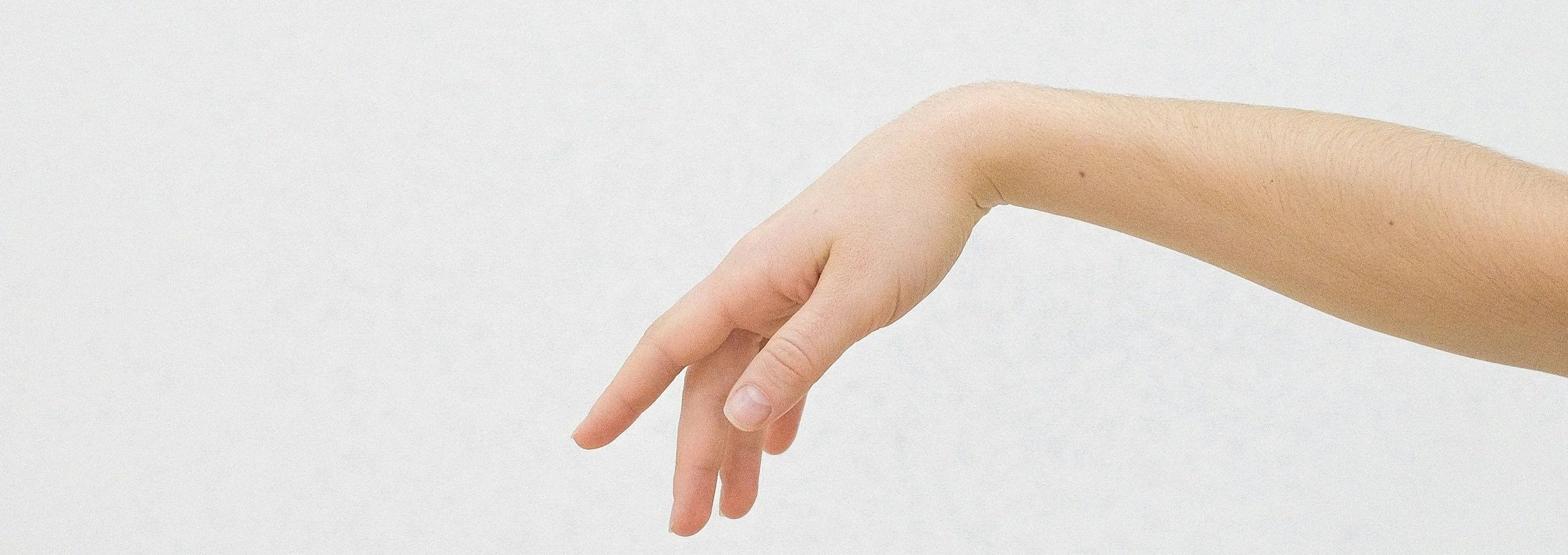
It usually starts as a fleeting, forgettable moment: that sharp or dull pain on the Ulnar/pinky finger side of your wrist when you load your wrist or engage in any grip intensive activity. Before long, it becomes a frequent unwanted guest, turning simple things like opening a jar, lifting and typing to dreadfulful tasks.
If this sounds like a familiar experience, you’re hardly alone. Recent research estimates show that wrist pain affects up to 14% of the general population. The largest chunk of the affected population consists of those involved in manual labour and athletes. However, the good news is that the underlying causes are relatively easy to spot and largely treatable with the right physiotherapy and medical care. Most individuals experience significant relief or complete resolution of symptoms, which eventually gets them back to what they love to do.
This article will look at everything you need to know about Ulnar Wrist pain. We'll lay a quick foundation with a look at the structures involved on the ulnar side of the wrist, followed by key causes, treatment, and some self-help exercises you can use to get better. Let's get started.
Anatomy: What’s Underneath the Skin
Wrist Bones
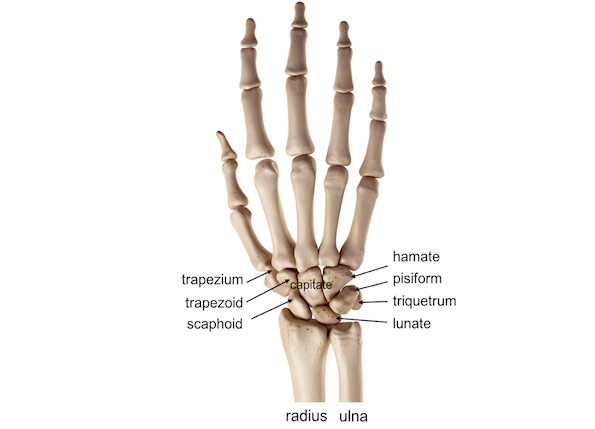
The wrist is a complicated little space with lots of bones, ligaments and a series of tendons from muscles situated in the forearm area. It's essentially a complex of 8 small bones arranged in two rows, connecting the two forearm bones(Radius and Ulnar) to the 5 bones of the hand.
The ulnar side of the joint is made up of four little bones, known as Lunate, Pisiform, Triquetrum, and Hamate. These bones connect the Ulna and parts of the Radius to the base of the 4th and fifth Metacarpals(bones which connect with the bases of the pinky and ring fingers).
Ligaments
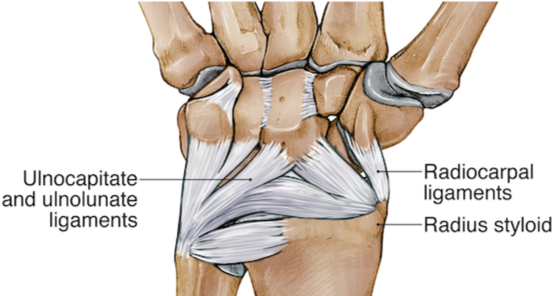
Ligaments are tough connective structures which hold the wrist bones in place. On the Ulna side, some ligaments connect the little wrist bones together while others connect them to either the 5 bones of the hand orUlnar and Radius.
Fibrocartilaginous Complex(TFCC)
This is a series of structures that allow effective transmission of forces through the Ulna and wrist bones, and smooth movement of the radius. It has 3 main components:
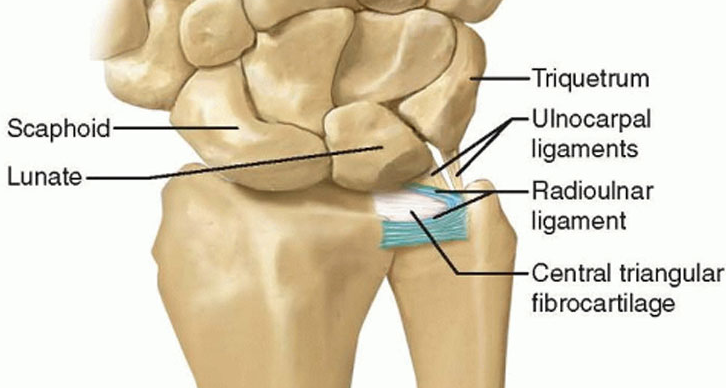
1. Triangular Fibrocartilage Disc: A triangular-shaped tissue attached to the end of the Ulna and part of the Radius. It consists of a thin center, and a thicker periphery with a rich supply of blood. Its main function is to absorb compressive forces, which helps with protecting the Ulna and other wrist bones.
2. Ligaments: These hold the Radius, Ulna, and wrist bones in place.
Tendons
These are connective tissue structures connecting various muscles of the forearm to the wrist or hand bones:
Flexor Tendons: Tendons for key forearm muscles which bend the wrist palmwards.
Extensor Tendons: Tendons for muscles which extend the wrist/bend it backwards.
Common Causes of Ulnar Wrist Pain
Like all complex structures, a lot of things can go wrong on the Ulnar side of the wrist, causing pain and inflammation. Pain can be the result of anything, from acute injuries like sprains to degenerative conditions affecting the wrist joints. Let's take a quick look at the common culprits:
Injuries

High-impact falls on an outstretched arm may cause fractures in one or two bones on the ulna side of the wrist. Sometimes, these fractures may be subtle and go unnoticed, causing persistent pain in the area. In some cases, these fractures may be detected followed by all the necessary treatment and subsequent healing. However, structural or physiological changes caused by the fracture may cause dysfunction and persistent pain in the long run.
Sprains
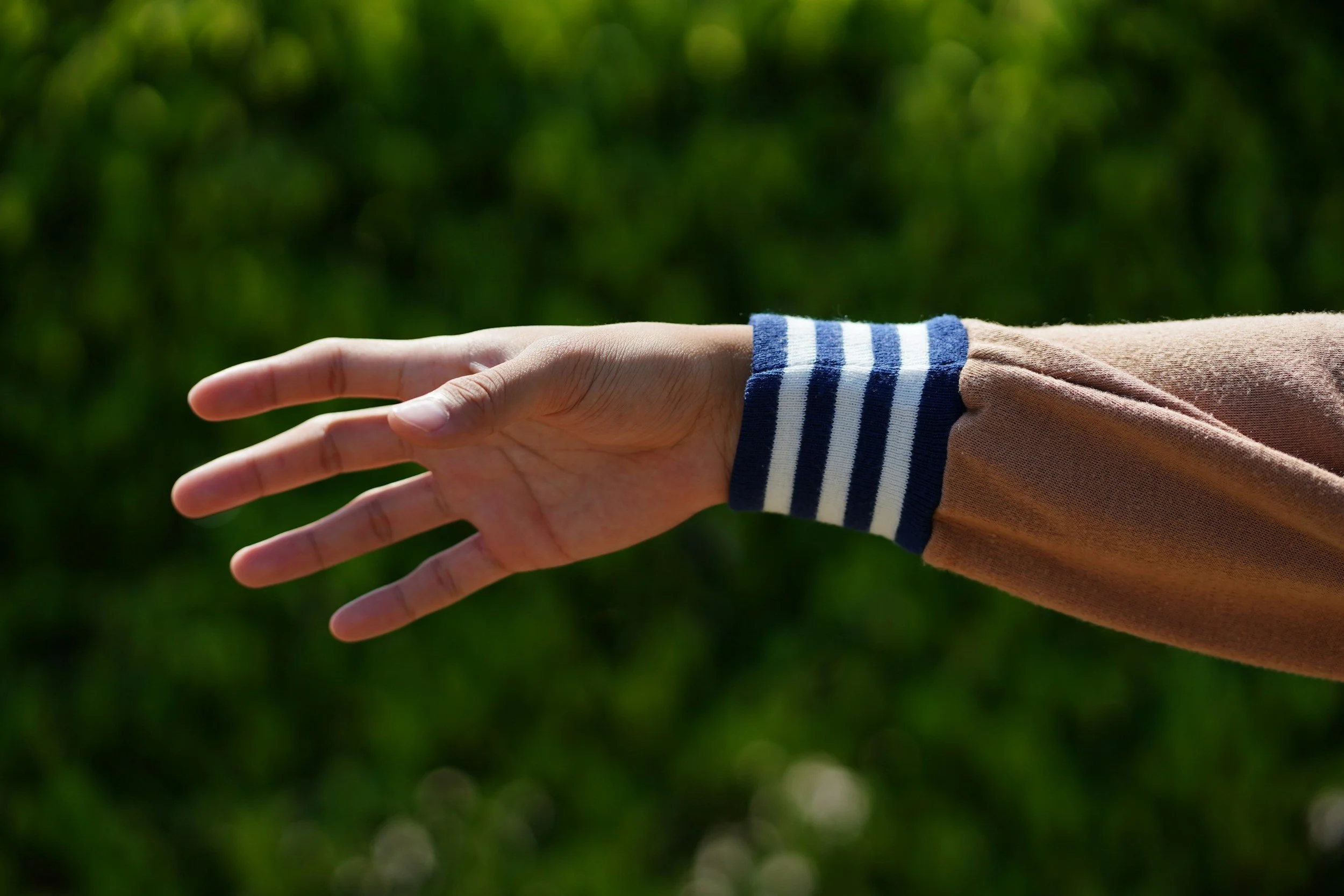
One or more ligaments on the ulnar side of the wrist may be partially or completely torn due to excessive loading. Common culprits include falling on an outstretched arm or forceful movements which strain the ligaments beyond their limits.
Nerve injuries
The Ulna nerve plays a key role in providing sensation and muscle activation in the ulna side of the forearm, wrist, and hand. It travels along the ulna side of the forearm and wrist before turning into little branches that supply pinky and ring fingers. Sometimes, this nerve can be compressed or pressured in the wrist or forearm area due to a variety of structural issues. This may lead to pain along the ulna side of the wrist and other areas i.e hand and ulnar side of the forearm.
Overuse
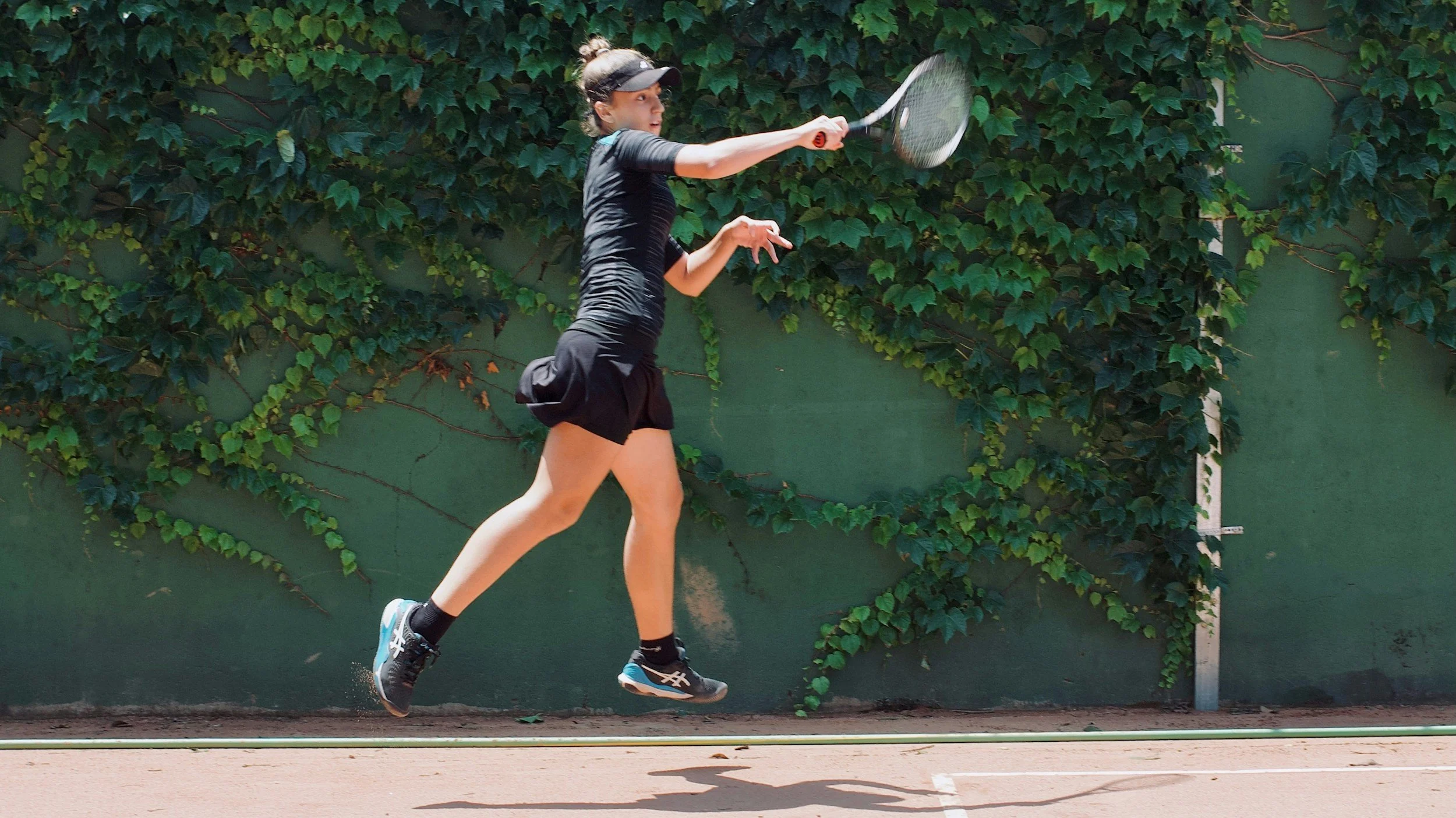
Overuse injuries happen when a structure(i.e tendon) is consistently exposed to loads/stresses. This causes cumulative damage that compromises structural integrity over time, which leads to chronic pain. Occupations or hobbies which involve loaded repetitive motions of the wrist are major risk factors i.e manual labour, certain sports i.e tennis, squash. Inflamed tendons and ligaments on the Ulnar side of the wrist due to overuse are some of the most frequent causes of pain around the wrist area.
Arthritis
Arthritis is a condition characterized by joint inflammation. In case you're unaware, inflammation refers to the body's response to tissue damage/injury, often marked by pain and swelling. Though not as common, arthritis can develop in one or more joints of the wrist due to a number of factors i.e previous injuries and aging. Ulnar wrist pain may be one of the early signs if the disease process primarily affects joints on this side of the wrist.
Treatment Options
The treatment of choice ultimately depends on the most plausible underlying cause. Unless it's a remarkable structural derangement like a displaced fracture or severe Arthritis, most problems causing ulnar wrist pain can be dealt with using conservative means.
Physiotherapy
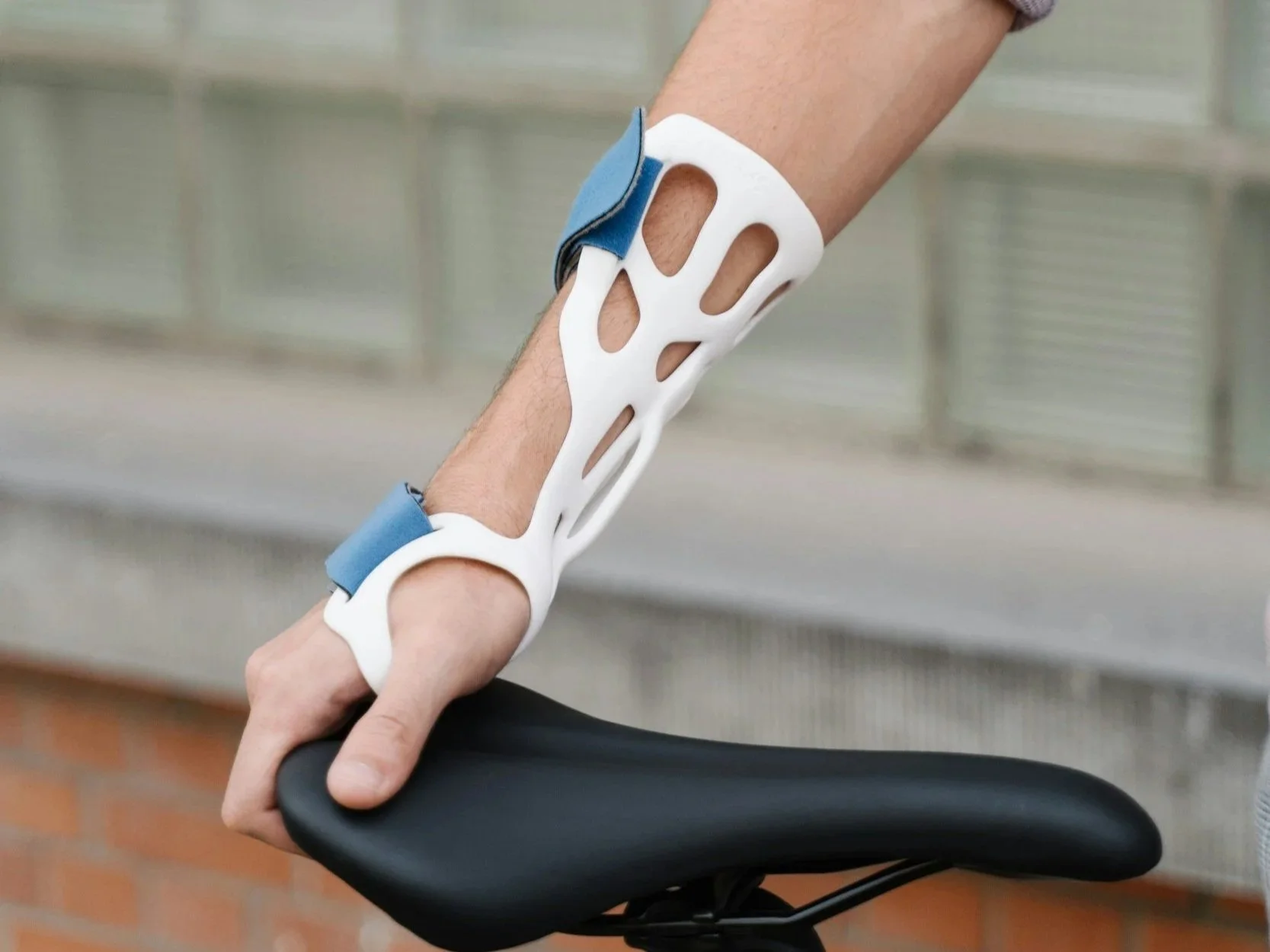
Physiotherapy is a cornerstone treatment approach when it comes to ulnar wrist pain. The main goal is to optimize movement and function through a variety of treatment methods:
Manual Techniques: Involves the use of various hands-on techniques aimed at reducing pain and improving joint mobility. These include joint mobilization and soft tissue manipulation techniques, which are carefully selected by the practitioner based on your needs.
Exercise: Stretches and strengthening exercises may be used to deal with flexibility issues and restore/maintain muscle performance.
Passive Modalities: This includes electrotherapy devices like Transcutaneous Electric Nerve Stimulation, heat therapy, and dry needling to complement exercise and manual-based treatments.
Medication
Anti -inflammatory medications may be used to control inflammation in a variety of conditions associated with ulnar wrist pain. Over-the-counter medications (i.e Ibuprofen, Naproxen) dominate early medical management as firstline remedies for controlling symptoms. If these fail, corticosteroid injections may be brought into the mix.
Surgical
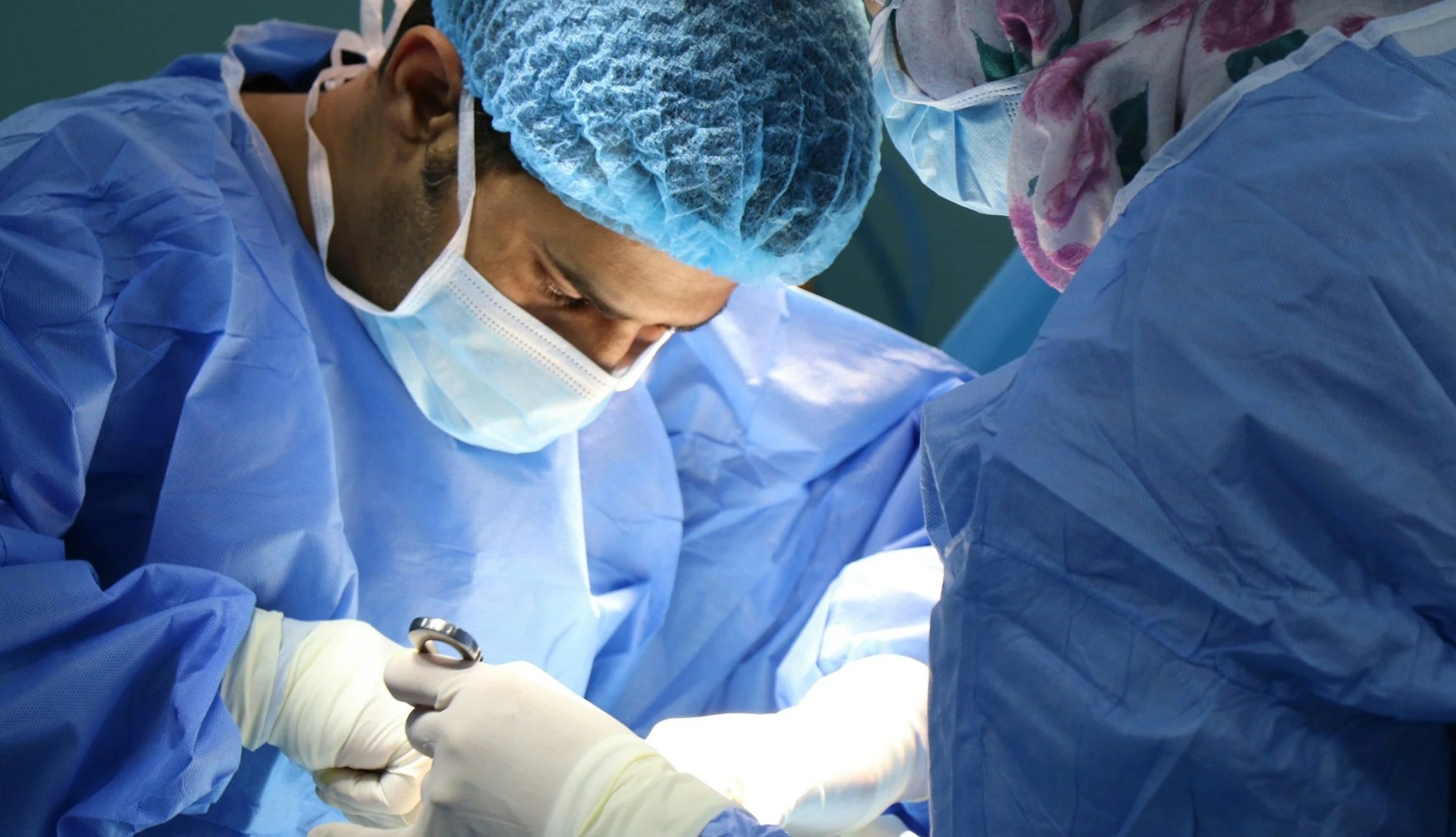
Surgery is only done when there’s a clear reason to do so, typically when there's severe structural issues or when conservative treatments have failed. Common surgical procedures include fixations(for fractures), cyst removals, wrist replacement surgery, tendon repairs, and wrist fusions.
Best Exercises for Ulnar Wrist Pain Relief
Now let's get to some of the best moves you can use to address pain and mobility issues caused by ulnar wrist pain.
A word of caution: These exercises aren’t a substitute for professional intervention and guidance. They're meant to supplement the personalised program issued by a licensed Physiotherapist. Seek for professional input before you try any of these to ensure safety and effectiveness.
Need professional help? Reach out to a professional physiotherapist here and get started today.
Wrist Flexor Stretch
Aim: Improve joint mobility, reduce pain, prevent/improve muscle tightness in wrist joint flexors.
How to do it
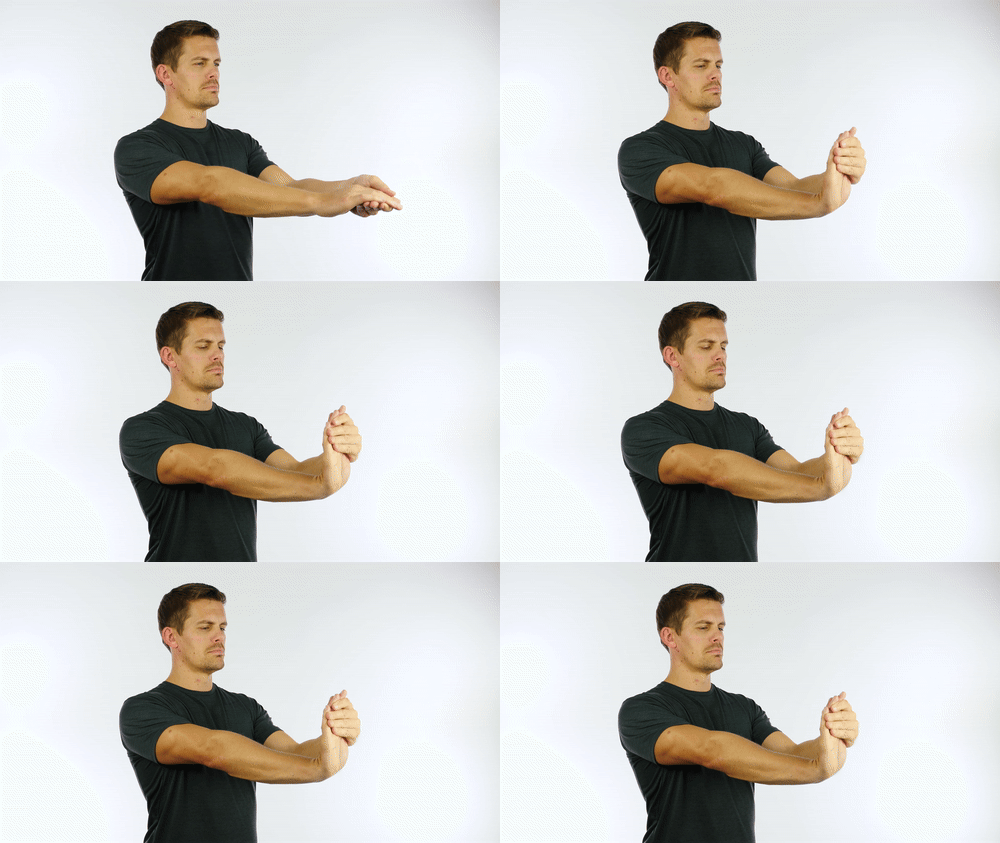
Stand up tall, or sit on a bench/chair, feet at shoulder width apart.
Raise the affected arm to shoulder level, and bend your wrist upwards(fingers should be pointing upwards).
Using the unaffected hand, apply a backward pressure on the fingers to increase the stretch.
Hold the position for 15-30 seconds. Repeat 2-3 times.
Wrist Extensor Stretch
Aim: Prevent/reduce shortening and tightness in the wrist extensors, improve overall joint mobilility.
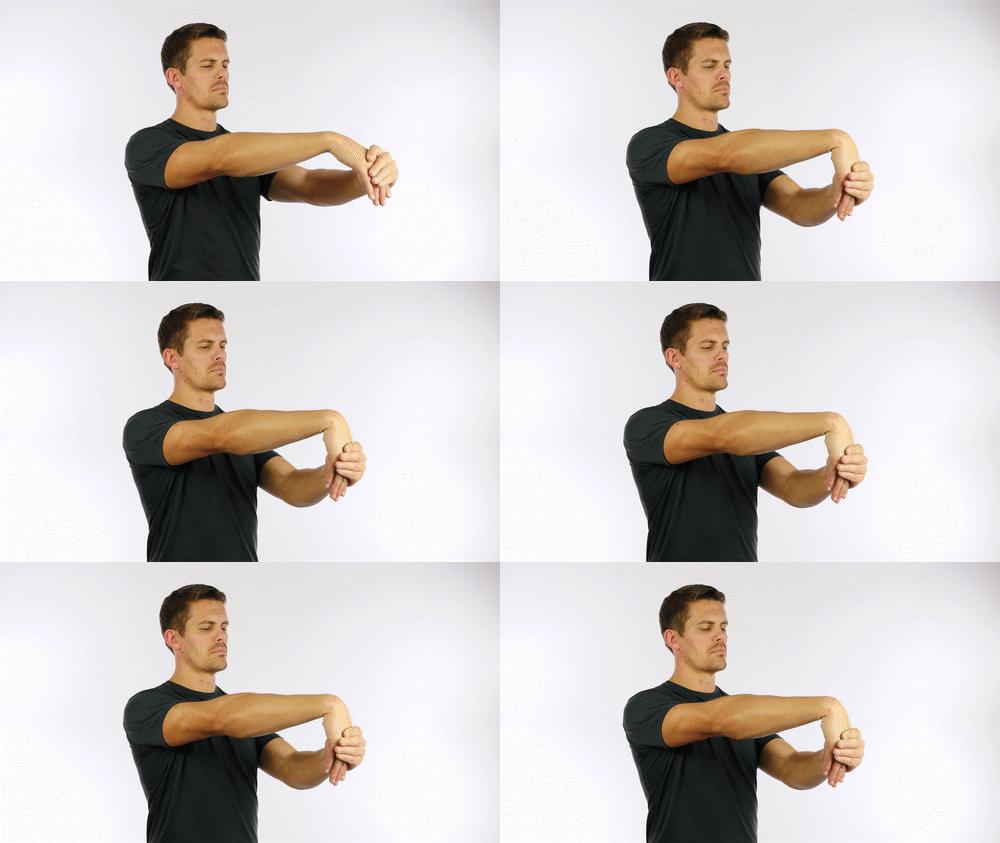
How to do it
Stand up tall, or sit on a bench/chair.
Raise the affected arm to shoulder level.
Bend your wrist downwards, fingers should be pointing downwards.
Using the unaffected hand, apply a backward pressure on the back of the hand till you feel a gentle stretch along the forearm.
Hold the position for 15-30 seconds.
Repeat the stretch 2-3 times.
Wrist Curls
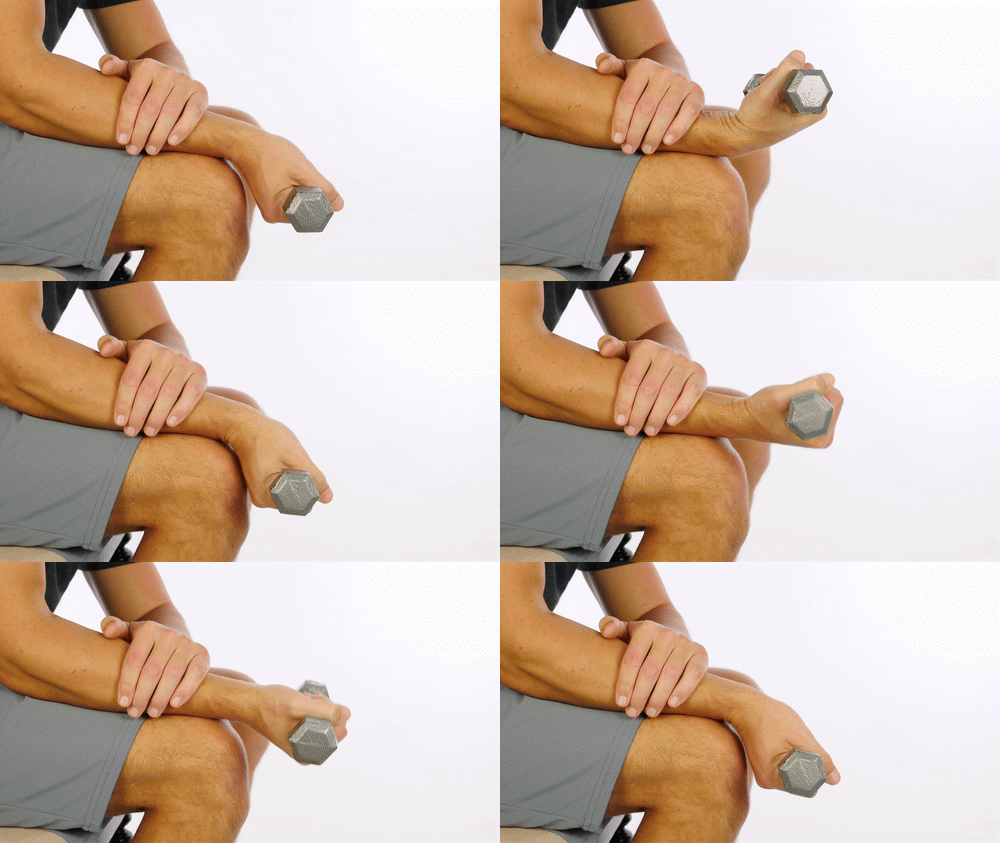
Aim: Build or maintain wrist flexor muscle strength.
How to do it
Starting Position
Sit on a bench or chair, with a light dumbbell(2-5 kgs) in the affected hand.
Lean forward and prop up on your thigh. Your wrist should be just over the edge of your knee at this point.
Let your hand drop, leading your wrist into a relaxed, extended position.
The Movement
Curl your wrist upwards. The top position should get the dumbbell over your knees, with knuckles pointing straight upwards.
With control, reverse to the starting position.
Repeat the movement, 10-15 times, 3-4 sets.
Reverse Curls
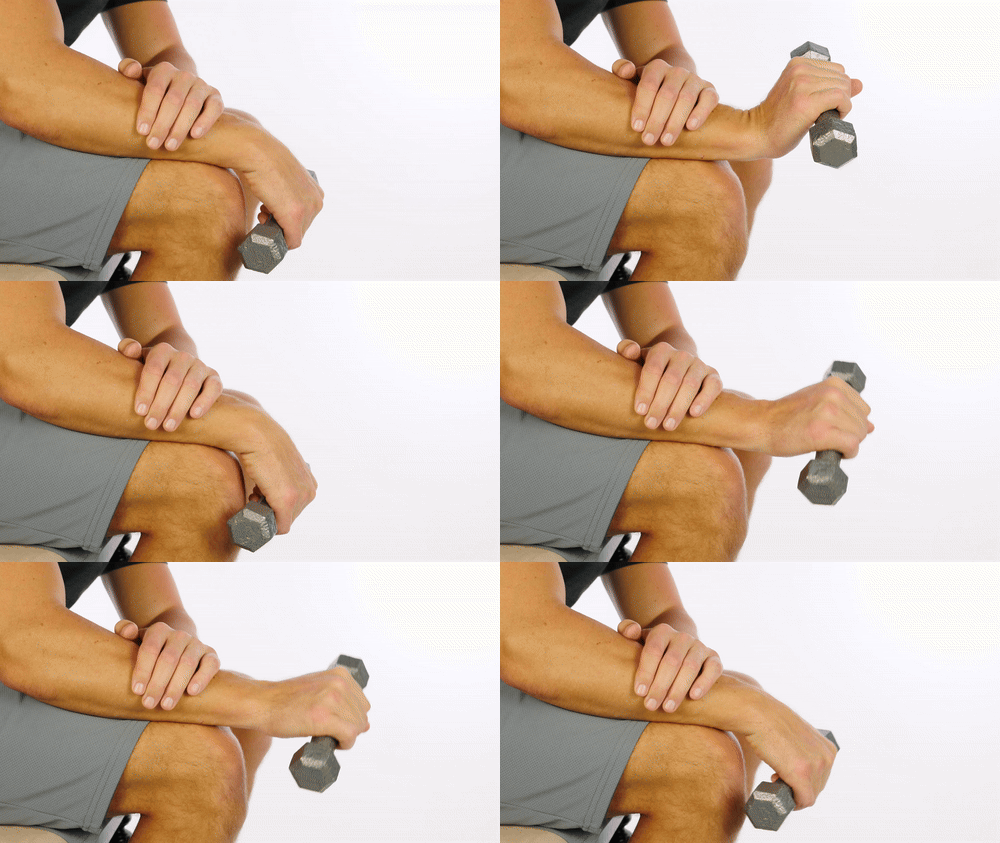
Aim: Build/maintain wrist extensor muscle strength.
How to do it
Starting Position
Same as wrist curls, except your palm should be facing downwards.
The Movement
Curl your wrist upwards, as high as you can.
With control, reverse to the starting position.
Repeat the movement, 10-15 times, 3-4 sets.
Ball Squeezes
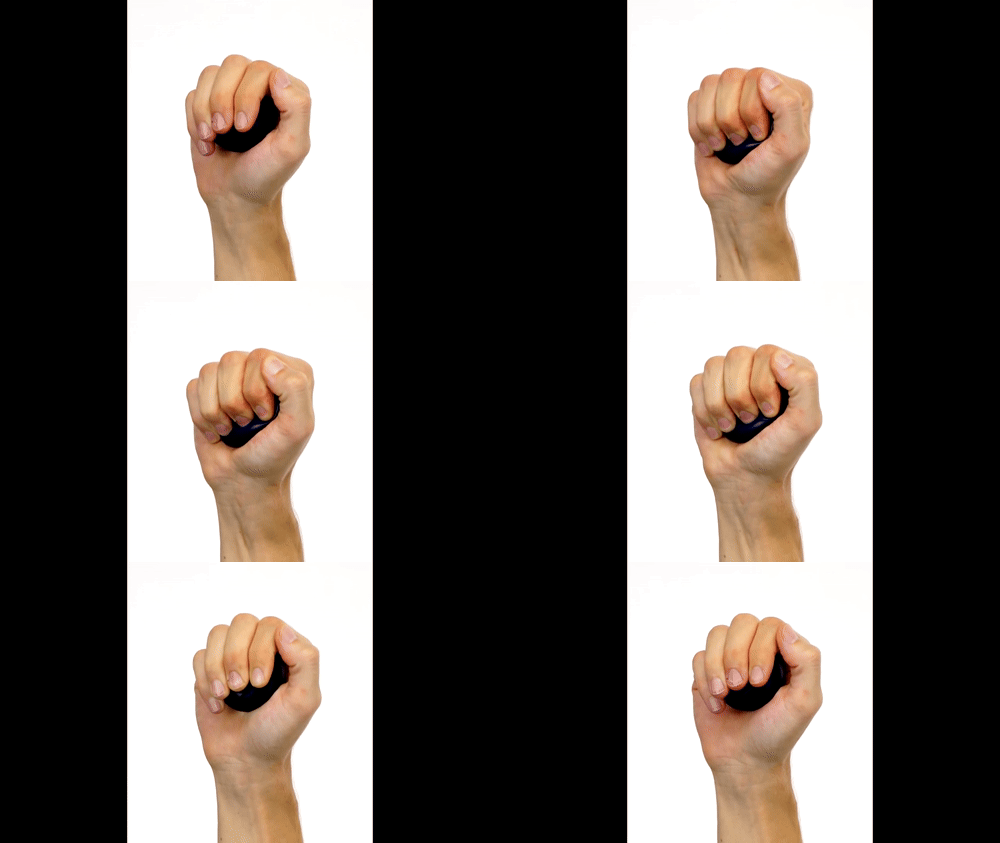
Aim: Maintain or build grip strength
How to do it
Hold a Tennis ball(or any soft but firm ball) in the palm of the affected side.
Squeeze as hard as you can. Hold for 5-10 seconds.
Release, repeat 15-20 times, 3-4 sets.
Book Now
Are you battling unrelenting pain in the ulnar side of the wrist? Whether you're still debating yourself on seeing a professional, or looking for more guidance after an established diagnosis, reach out to us today. Our Physiotherapists bring years of evidence-based practice and expertise on the table to help you navigate recovery in a safe and effective way.
Fill out the form below or simply call us through the line in on the top right corner. Let’s get started!


