Top 5 Frozen Shoulder Exercises for Mobility and Pain Relief

It typically shows up as an innocent pain in your shoulder. You quickly brush it off as a passing inconvenience, guzzle some painkillers, and get back to business. Weeks later, the pain intensifies and your shoulder becomes increasingly stiff. Putting on a T-shirt becomes an insurmountable task. That’s the reality of thousands of people suffering from Frozen Shoulder, a pesky condition affecting about 2-5% of the general popualtion.
What’s Frozen Shoulder? (A quick recap)
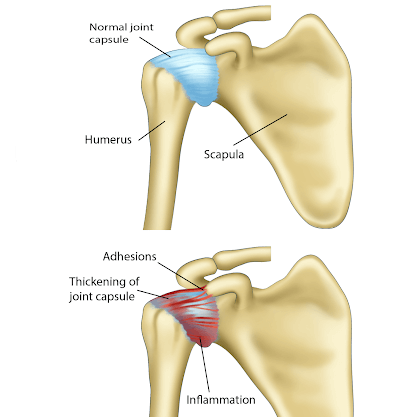
Frozen Shoulder, a.k.a. Adhesive Capsulitis, is a condition characterized by pain and progressive stiffness of the shoulder joint, followed by a recovery period. Current studies show two main elements to it:
Inflammation
A process that generally refers to a tissue’s response to damage or injury. It is evident in the early stages of the condition, marked by pain and swelling in and around the shoulder joint.
Fibrosis
This involves stiffening of soft tissue structures around the shoulder joint. Key structures include a soft tissue covering known as joint capsule, ligaments and tendons of the rotator cuff muscle group.
Stages of Frozen Shoulder(AC)
Frozen Shoulder is widely considered as a self-limiting disease with three distinct stages:

1. Painful/freezing stage:
This is defined by pain and mild stiffness. The pain typically gets worse at the extremes of the Shoulder joint's various ranges of movement. The length of the stage varies between individuals, typically 2-9 months.
2. Stiffening/frozen stage
Pain subsides significantly. However, movements become extremely difficult to execute. Movements like external rotation, abduction(raising arm sideways) and flexion only allow a few degrees of motion. In most cases, the pain only exists at extremes of the shoulder's range of motion. Again, the total length of time varies, between 4-12 months.
3. Thawing/resolution Phase
As the name suggests, this involves gradual restoration of range of motion, lasting between 5-24 months. However, it's important to note that not all individuals experience full recovery. For some(about 40%), it may persist beyond 3 years. For the more unfortunate ones(about 15%), it may prove to be a long term disability.
So What Causes Frozen Shoulder?
Frozen Shoulder is driven by a variety of environmental and genetic factors. In some cases, there's no clear cause, just a number of suspected factors. This is called primary Frozen Shoulder.
In other cases, there may be a strong underlying factor such as an injury or disease/condition. Common culprits include traumatic injuries(dislocations, fractures) and conditions like Diabetes, Hypothyroidism, tendinopathies, and Parkinson's Disease.
Physiotherapy Management of Frozen Shoulder
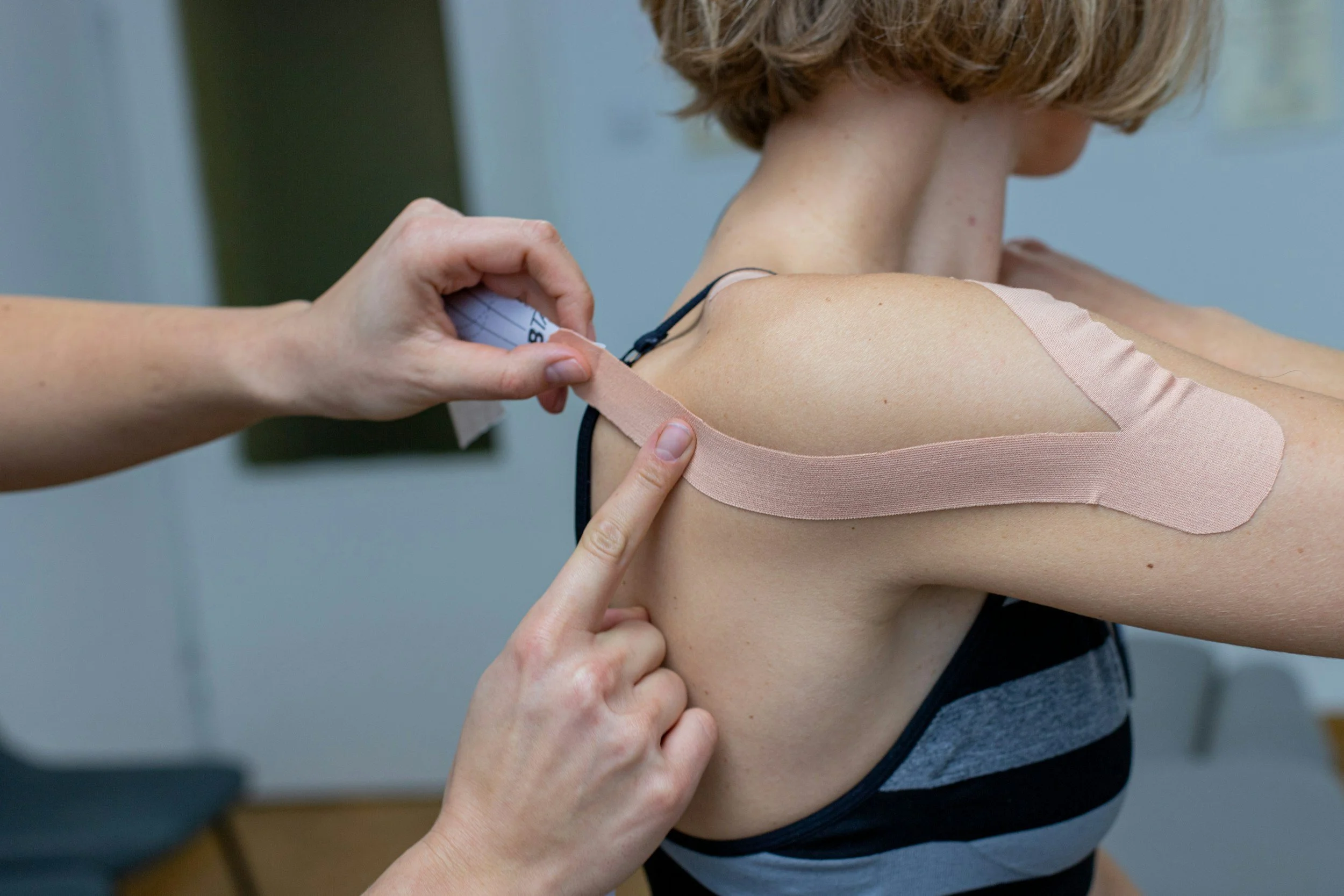
As pointed out earlier, Frozen Shoulder is a self-limiting condition. However, proper physiotherapy intervention can significantly accelerate/optimize recovery, as well as prevent secondary complications.
Once the diagnosis is established, physiotherapists use a variety of treatment methods to reduce symptoms, improve shoulder joint mobility, and optimize overall arm function.
Key physiotherapy interventions include:
Manual Therapy: Involves the use of various hands-on techniques to improve movement.
Stretches: A series of movements or positions aimed at increasing soft tissue extensibility and joint flexibility.
Strength training: Involves exercises aimed at restoring or maintaining muscle strength and performance around the shoulder joint.
Modalities: A range of electric, mechanical, or physical devices used for reducing symptoms and optimizing function in the shoulder joint.
Looking to get professional help? Reach out to a seasoned physiotherapist for an assessment and treatment plan here.
Top Frozen Shoulder Exercises for Mobility and Pain Relief
Let's start with a quick moment of caution:
You need professional help to deal with Frozen Shoulder. It's definitely not something that works well with DIY hacks. The exercises below should serve as a compass, not a substitute for professional advice. Let's take a quick look:
1. Can/wand Shoulder Flexion

Aim: To improve/maintain shoulder flexion(raising your arm forward).
Phase: 1-2.
Starting Position
Again, hold a cane/wand, shoulder width apart.
The movement
Raise your arms, as far up as you can within the pain-free range.
With control, return to the starting position.
Repeat the movement. Aim for 2-3 sets of 10 reps.
Safety
Only go as far as your pain allows. Stay in the pain-free range of motion.
2. Shoulder Abduction

Aim: To improve/restore shoulder abduction.
Phase: 1-2.
Starting Position
Stand tall and hold the cane at shoulder width.
The Movement
Raise the affected arm sideways, as far up as you can within the pain free range of motion. Hold for 2-3 seconds.
Return to the starting position.
Repeat for another rep. Aim for 10 reps of 2-3 sets.
3. Loaded Front Raises
Aim: Build muscle strength: Shoulder flexors

Phase: 2-3.
Starting Position
Hold a dumbbell in each hand and stand up tall. Palms should be facing backwards.
The movement
Raise your arms straight up to shoulder level. Hold for 1-2 seconds.
Gently, return to the starting position.
Repeat the movement for another rep. Aim for 3-4 sets of 10 repetitions.
4. Rotations
Aim: Preserve/build muscle strength: Shoulder external rotators

Phase: 2-3.
Starting Position
Bend your elbows to 90 degrees. Arms should be tucked in against the sides of your midsection, palms facing each other.
The Movement
Rotate your upper arms, moving your hands apart. Again, keep movement within the pain-free range of motion.
Gently, return to the starting position.
Repeat. Aim for 10 reps, 3-4 sets.
You can upgrade the load by simply holding a dumbbell each hand.
5. Lateral Raises
Aim: Build strength and improve muscle performance: Abductors.
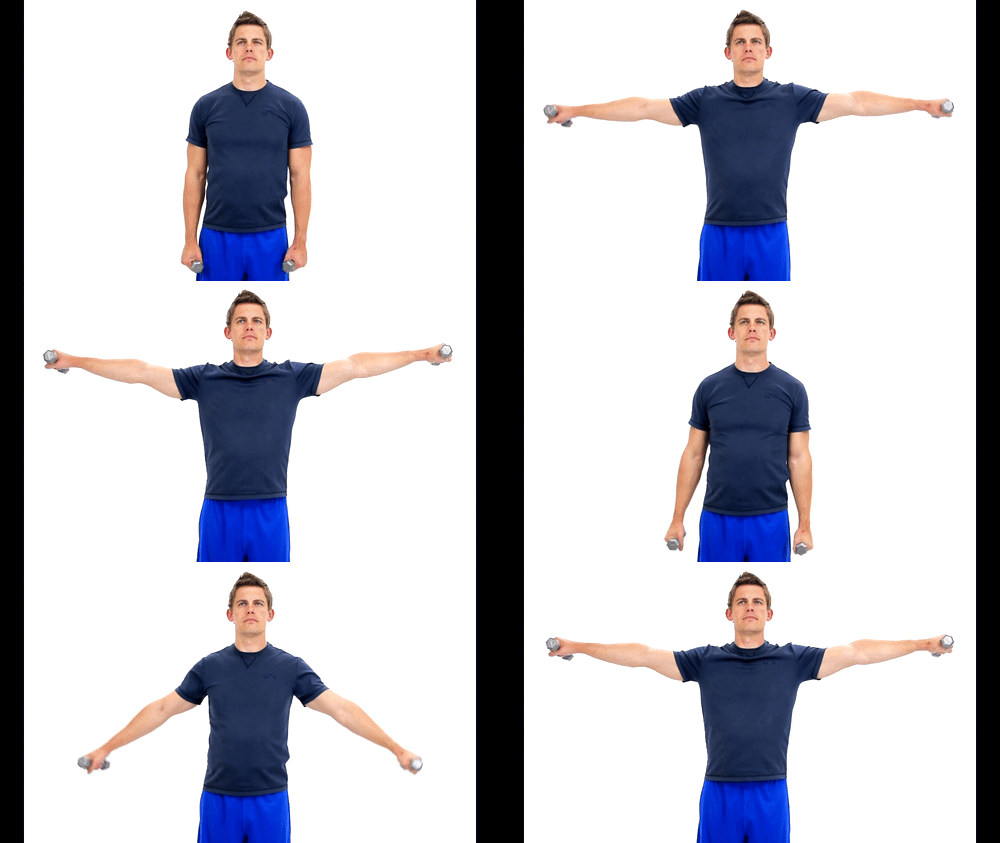
Phase: 2-3.
Starting Position
Hold a dumbbell in each hand on the side, palms facing each other.
The Movement
Raise the dumbbells to shoulder level. Hold for 1-2 seconds.
Return to the starting position.
Repeat, aim for 10-15 reps, 3-4 sets.
Get in touch
Are you suspecting, or currently dealing with Frozen Shoulder? Don’t hesitate, reach out to us. We specialize in helping people like you move better and get stronger. We’ll carry out a comprehensive assessment, figure out the best way forward for you, and see you through your incredible recovery journey. Give us a call today, or fill in the form below for an appointment with one of our physiotherapists. Looking to see you soon
Book Now
Read More Related Articles