Understanding Piriformis Syndrome: Nature, causes, and best exercises for pain relief

Long car rides become increasingly uncomfortable. Work meetings become torturous. Before long, simple things like standing up from a chair or bending down to put on your shoes trigger something far too familiar: An intense pain in the butt area, sometimes radiating to the lower back area, or down the leg.
If that sounds familiar, you might be dealing with something that affects a lot of people around the globe: Piriformis Syndrome. In fact, current stats show Piriformis Syndrome as a culprit behind up to 6% of all back pain and sciatica cases. That may sound like a small number until you translate it to an actual number, which is 2.4 million people every year.
Fortunately, the syndrome is far more manageable with the right treatment approach. With the right guidance, exercise is one of the most effective treatment approaches for the condition when used in conjunction with other treatment methods. We'll look at what Piriformis Syndrome is all about, in terms of its nature and key causes. After that, we'll jump into what treatment looks like, including key at-home exercises you can use for optimal results.
What is Piriformis Syndrome(PS)?
In basic terms, PS is a series of symptoms caused by compression of the Sciatic Nerve by a tiny muscle in the butt area, known as the “Piriformis”. Let’s look at a few basics about the muscle and the nerve to fully understand this:
Anatomy: So What's the Piriformis Muscle?
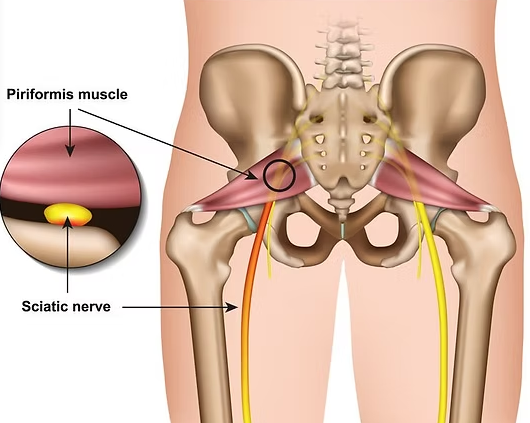
This is a flat pyramid shaped muscle that originates from parts of the tailbone(Sacrum) and pelvic bone, and inserts into the upper part of the thighbone. The Piriformis is primarily responsible for facilitating outward rotation of the thighbone, and helps with other movements like hip joint extension and abduction.
There's a close spatial relationship between the Piriformis muscle and the largest nerve in the lower body: Sciatic nerve. This nerve is responsible for providing sensation and activation of most muscle groups along the back of the leg.
In most people, the sciatic nerve passes right under the Piriformis Muscle. For some, it goes over, or through the muscle in varying configurations. When the muscle is irritated or inflamed in one way or another, it can get tight and cause irritation of the Sciatic Nerve, leading to symptoms associated with Piriformis Syndrome.
Types of Piriformis Syndrome
There are two main types of Piriformis Syndrome based on underlying causes:
1. Primary PS

This is due to structural flaws associated with the Piriformis muscle or Sciatic Nerve. These include issues such as a split Piriformis muscle or sciatic nerve, and a generally faulty nerve path. However, structural flaws are directly responsible for a small number of people with Piriformis Syndrome. In fact, studies show figures amounting to less than15% of the affected population.
2. Secondary Piriformis Syndrome
As the name suggests, this comes in as a secondary problem to preexisting factors. Common issues include:

Direct Trauma to the buttock area, leading to irritation, inflammation, and muscle spasms which cause nerve compression. This is by far the most common cause, accounting for over 50% of cases.
Shortening or irritation of the Piriformis muscle due to altered biomechanics of the pelvis, lower back, and leg: Sometimes the muscle may be strained or overworked due to faulty movement patterns or imbalances in other muscles around the pelvis. This causes irritation, spasms and subsequent compression of the Sciatic Nerve. In other cases, the muscle may be forced into a shortened position due to faulty movement patterns or postural issues around the pelvis, which puts pressure on the Sciatic Nerve.
Other factors: Conditions and factors like abnormal tissue growths, surgical procedures (i.e Total Hip Replacement), and abscesses can trigger processes which create ideal conditions for development of Piriformis Syndrome.
Signs and Symptoms: What it looks and feels like
There's a cluster of symptoms associated with Piriformis Syndrome. However, caution needs to be exercised here. A proper diagnosis should be made after a comprehensive professional assessment. You can reach out to our physiotherapists here to get started.
Buttock pain, especially when put under pressure i.e sitting positions.
Numbness along the back of the leg.
Pins and needles.
Altered physical function: Difficulty with executing basic functions i.e maintaining a symmetrical sitting position, standing up, walking.
Treatment Overview
Management of PS can be conservative or surgical depending on factors such as underlying cause, severity of nerve compression.
Physiotherapy
Physiotherapy is a conservative approach that uses a combination of passive and active treatment methods to reduce nerve compression, improve symptoms, and restore function. Let's take a quick look at the key treatment methods:
Manual Therapy
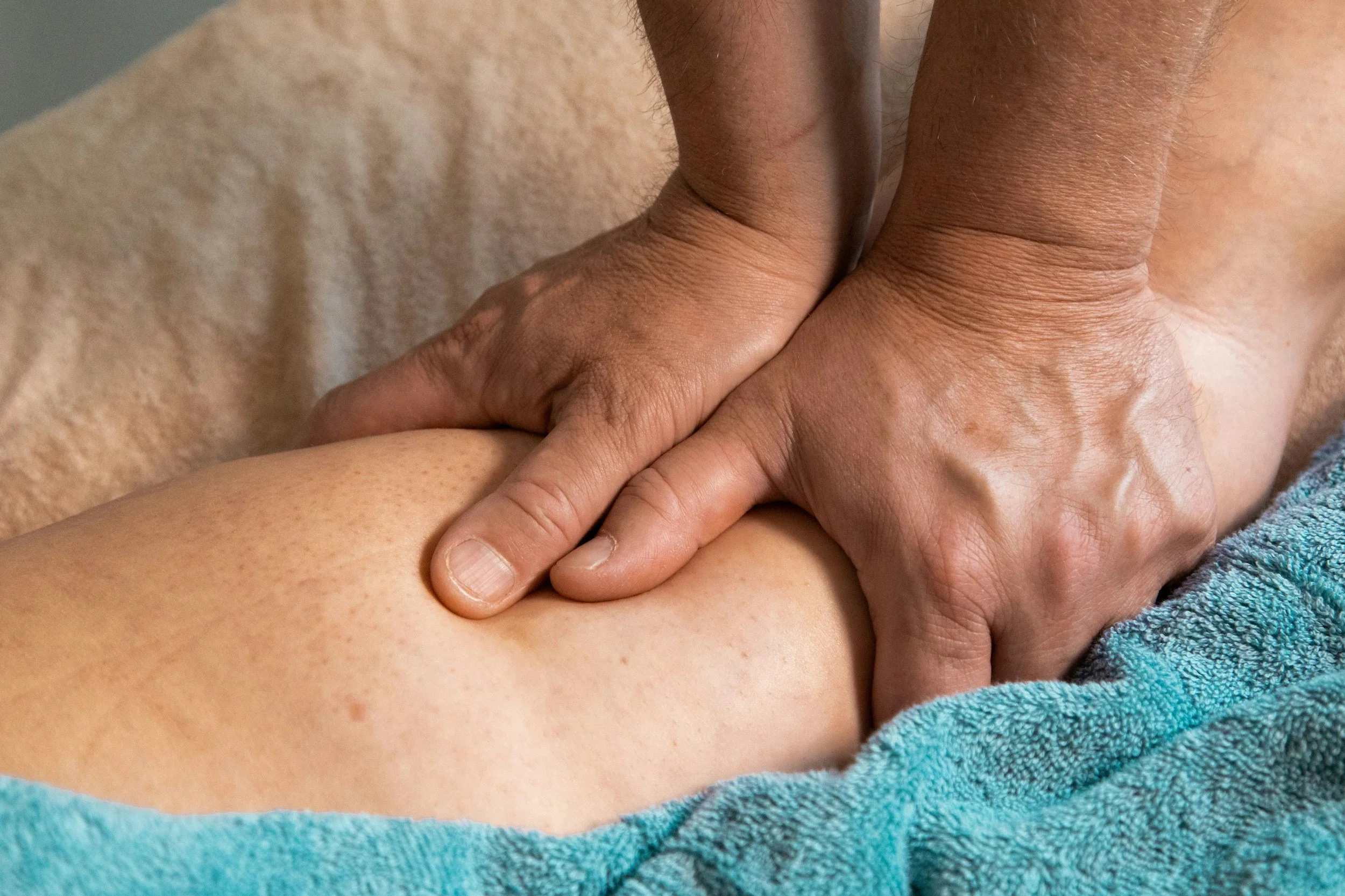
This involves a variety of manual techniques targeting the Piriformis and other muscles in the Gluteal/button region, and the Sciatic nerve. These include:
Massage: Techniques like deep friction massage help with releasing tightness in the Piriformis muscle, and have a numbing effect on pain. Nerve mobilization techniques also help with improving mechanics associated with the sciatic nerve.
Exercise

This presents another key method for dealing with tightness and reducing abnormal biomechanics associated with the syndrome. Key methods include:
Stretches: Incorporates a series of highly specific stretches for the Piriformis and other muscles with secondary tightness.
Corrective Exercise: In cases where faulty movement patterns or biomechanics in general prove a significant factor behind Piriformis Syndrome, specific functional exercises are used to get things back to normal.
Strength Training: This usually goes together with stretches and functional training. Isolation or compound strength training exercises may be used to improve muscle performance in affected muscle groups.
Passive Modalities
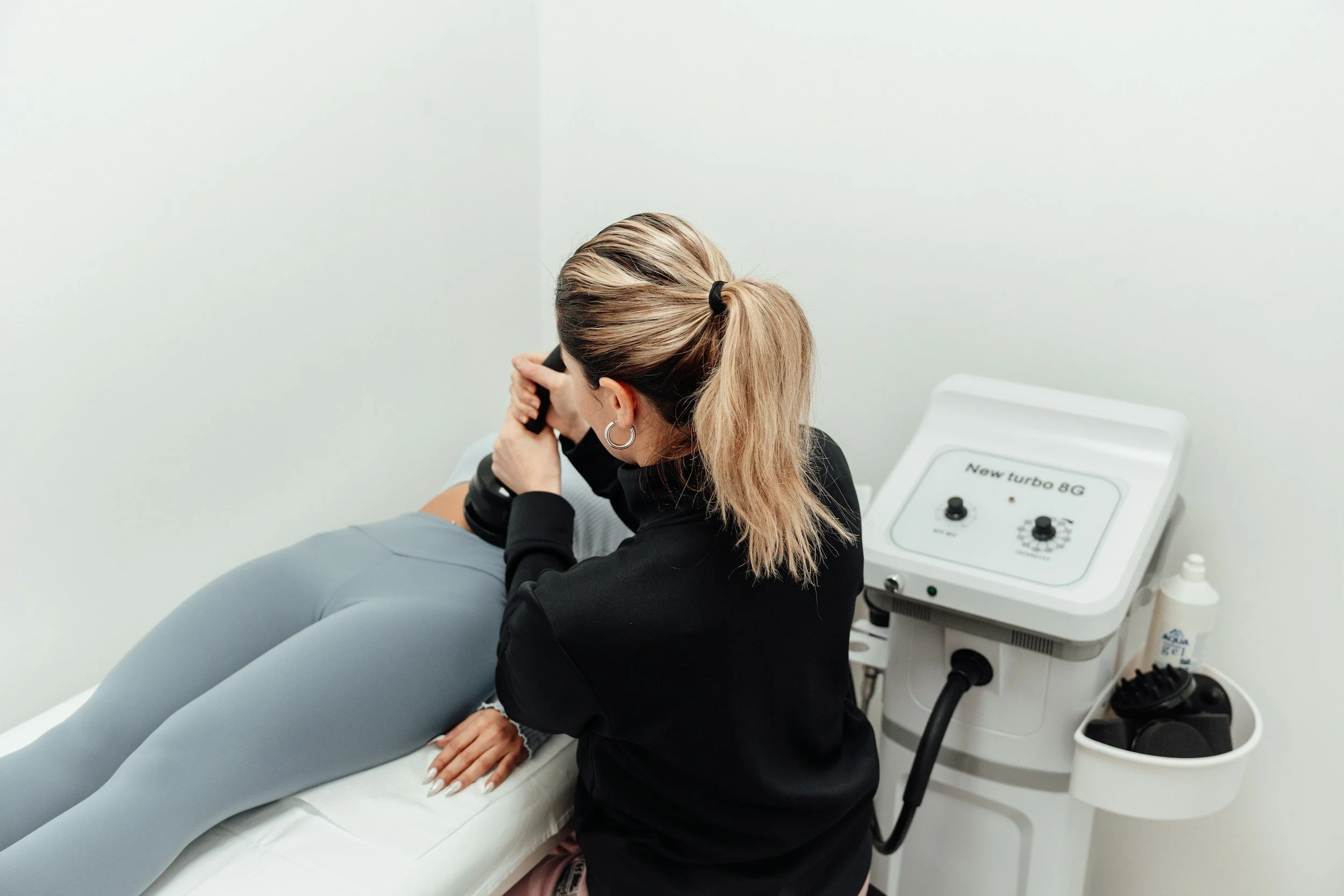
This involves the use of specialized devices, tools, or physical agents like heat to help with symptom control and support healing processes. They are usually used as complimentary treatments to exercise and manual therapy techniques.
Ultrasound Therapy: Involves a specialized device that generates high frequency sound waves which are used to promote healing and reduce pain.
Heat therapy: Uses various methods to deliver heat to the affected area. This helps with reducing pain by blocking transmission of pain signals to the central nervous system, and promoting healing by increasing blood flow.
Electrotherapy: This involves a variety of devices which deliver controlled electric currents to the affected area. The main effect is pain relief by interference with transmission of pain signals to the Central Nervous System.
Medical Management

Several types of medication can be used to reduce pain and muscle tension, as well as improve overall Sciatic nerve function. First line treatment includes:
Nonsteroidal Anti-inflammatory Drugs(NSAIDS) i.e Ibuprofen, Naproxen.
Muscle relaxants .
Neuropathic pain medication.
When these hardly make a difference alongside conservative treatments, steroid injections and Botulinum toxin may be used to improve treatment efficacy.
Surgical Management
Surgical interventions are only considered when conservative treatments have failed, or when there's a significant structural derangement or serious pathology. Indications for surgical procedures include abnormal growths and tumours.
Best Exercises for Piriformis Syndrome
Now let's take a look at some of the most effective home exercises you can use to reduce Piriformis tightness and improve overall muscle performance:
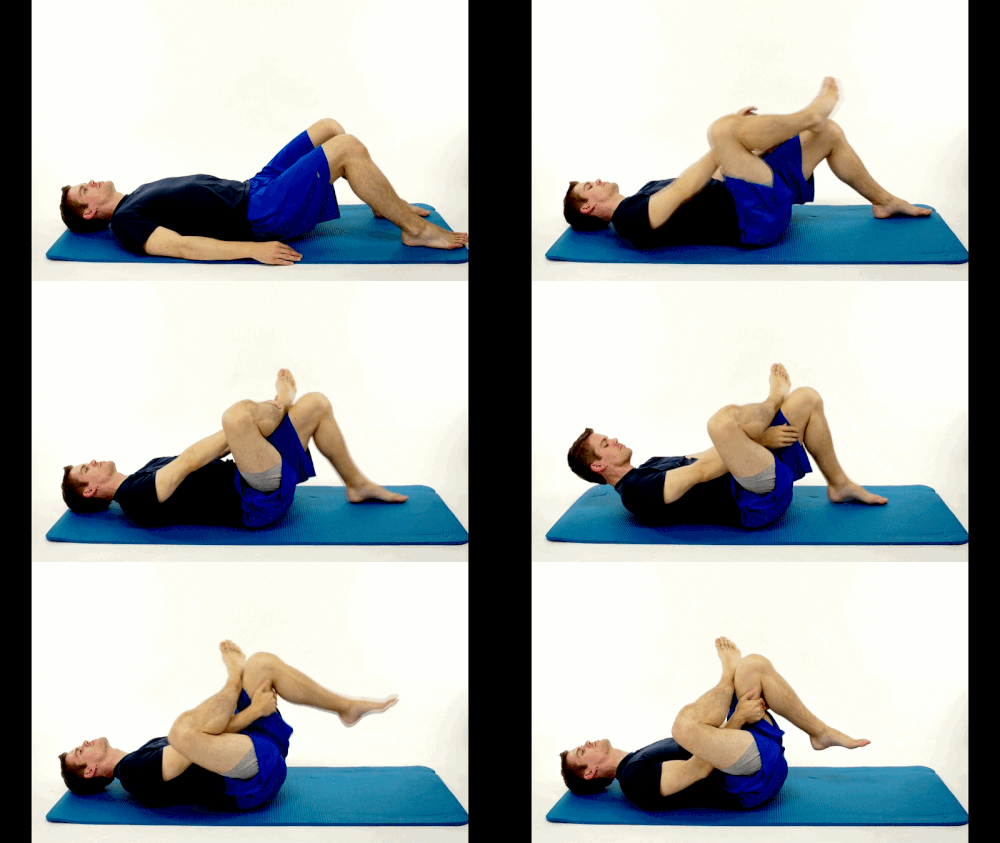
1. Figure-4 Stretch
Aim: Reduce tightness in the Piriformis and other Gluteal muscles.
How to do it
Lie down on your back with both feet flat on the floor.
Lift the affected side's foot off the floor, and rest the ankle on the side of the opposite knee.
Wrap your hands around the unaffected leg's thigh and hold firmly.
Lift the unaffected leg, clearing the foot off the floor. Keep going until you feel a gentle stretch in the affected side's Glute area.
Hold for 10-15 seconds, then return to the starting position. Repeat 3-4 times.
2. Side Twist
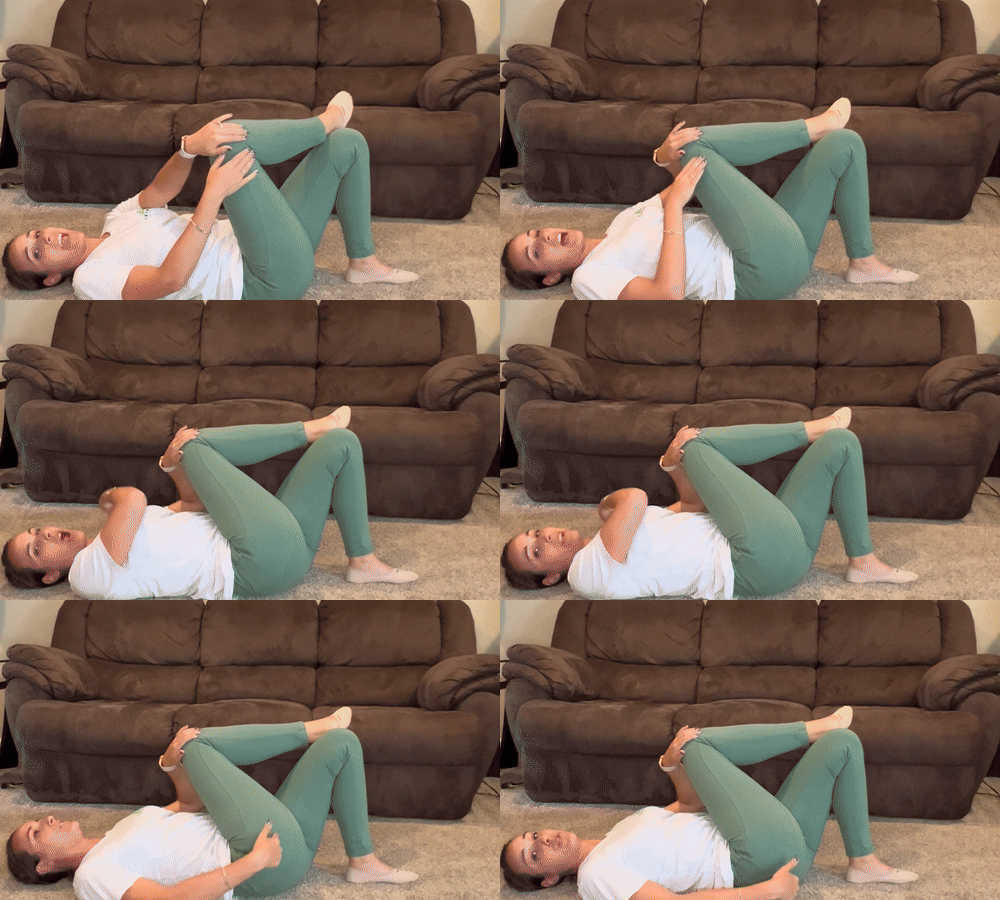
Aim: Reduce tightness in your Glute muscles.
How to do it
Lie down on your back, with both feet flat on the floor.
Place the affected side's foot on the side of the opposite knee.
Hold the affected knee.
Pull your knee across the body till you feel a gentle stretch in the Glute area.
Hold for 10-15 seconds. Repeat 3-4 times.
3. Glute-Bridge
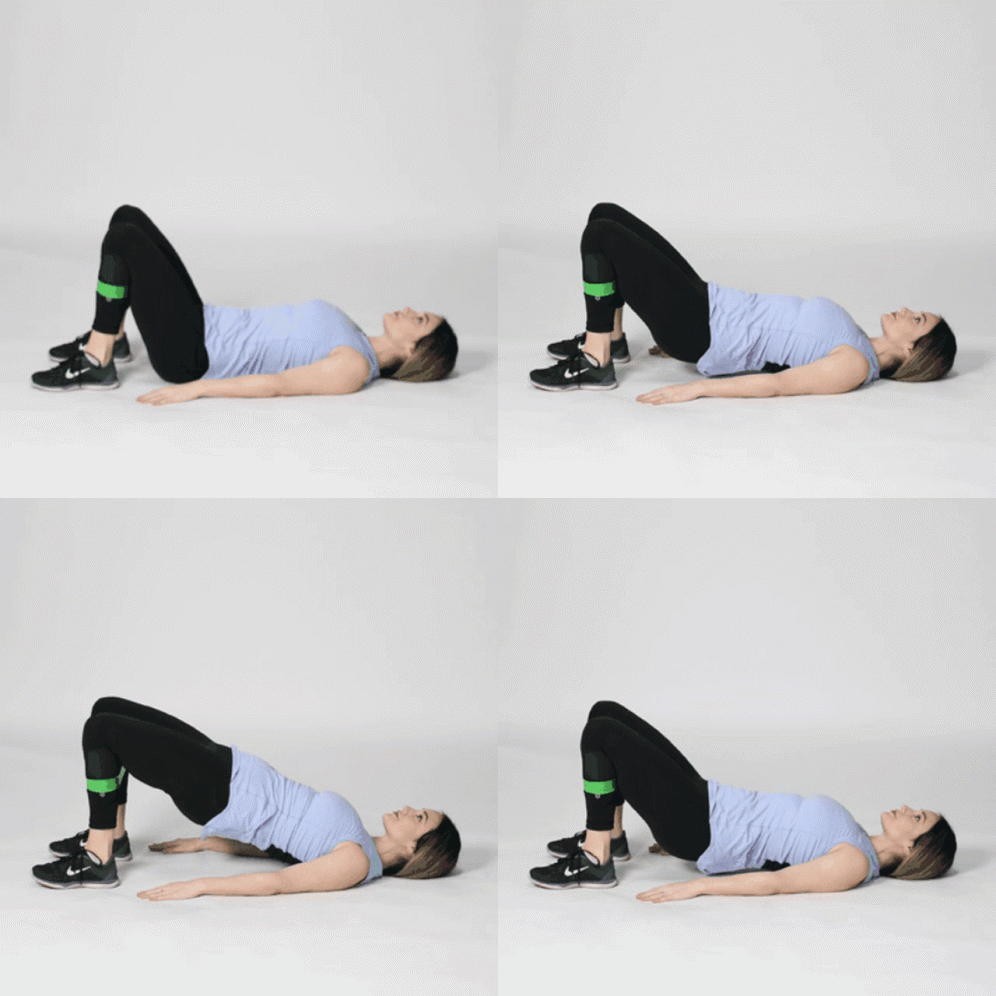
Aim: Build strength and control in your Glutes and core.
How to do it
Lie down on your back, with both feet on the floor.
Take a deep breath, lift your pelvis off the floor.
Hold for 10 seconds, then return to the starting position.
Repeat, aim for 3-4 reps.
Progression: Once you've mastered the technique, progress to a single-leg Glute Bridge:
Simply lift the unaffected leg to shift the load to one leg for a greater challenge.
4. Squat
Aim: Build dynamic strength and control in your Glutes and other lower body muscle groups(Quads, core).
How to do it

Stand tall, with feet at shoulder width apart.
Bend your knee and lower your body down till your thighs are parallel to the floor. Keep your feet flat on the floor, the motion should be more like sitting back onto a chair. Keep your torso straight throughout the descent.
Return to the starting position.
Repeat the movement to hit another rep. Aim for 3-4 sets of 10 reps.
Progression: Once you've mastered the movement, move on to weighted squats i.e Dumbbells, Barbells.
5. Hip Thrust
Aim: Build strength in your Glutes.
How to do it
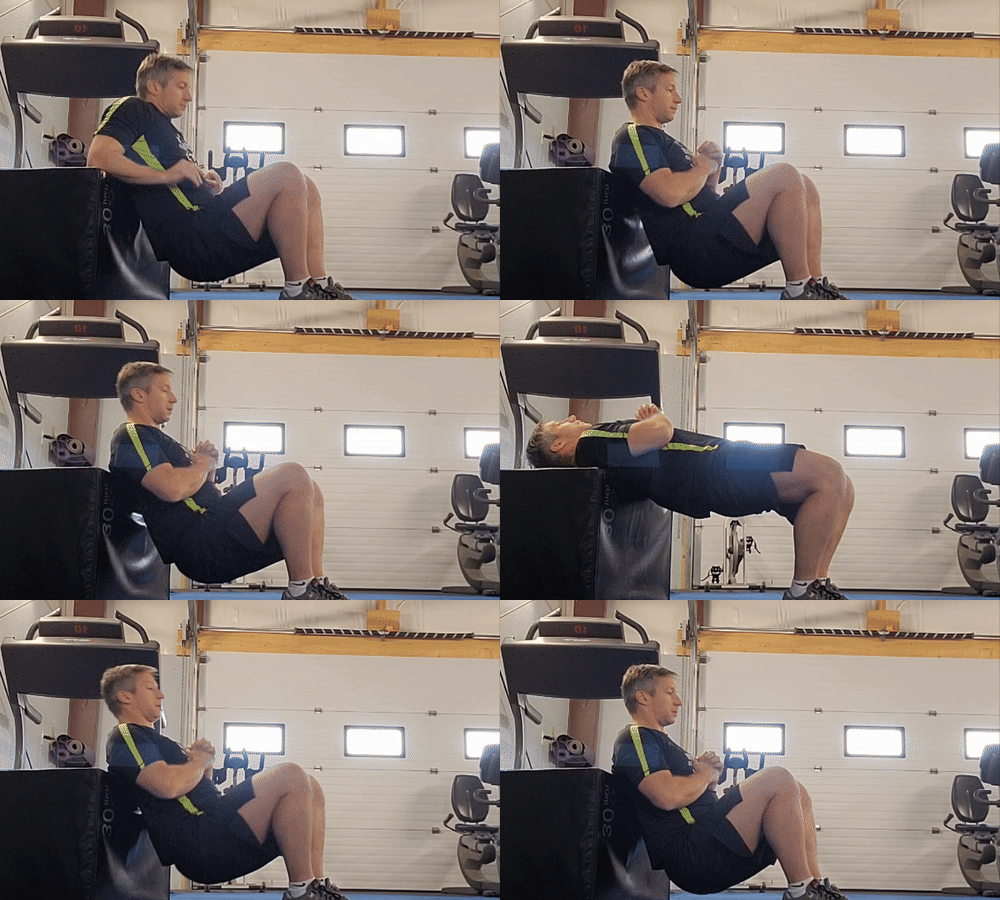
Sit down with your upper back leaning on a bench, or any stable platform. Feet should be flat on the floor with your knees bent at around 90 degrees.
Place your hands on your waist, or across the chest.
Lift your pelvis off the floor until your upper body gets into a parallel position to the floor.
Return to the starting position.
Aim for 10-15 reps, 3-4 sets.
Progression: Switch to the weighted version once you get the movement right. Simply place a light barbell, or hold a pair of dumbbells on the waistline to increase the load.
Book Now
Get in touch
Piriformis Syndrome can be tricky to manage effectively, but you don't have to navigate management alone. With the right assessment, treatment planning, and execution, it's possible to get back to a pain-free life. Simply hit the contact number up top for a quick booking, click here, or feel out a few details in the form below to get started. Looking forward to seeing you soon.
Read More Related Articles